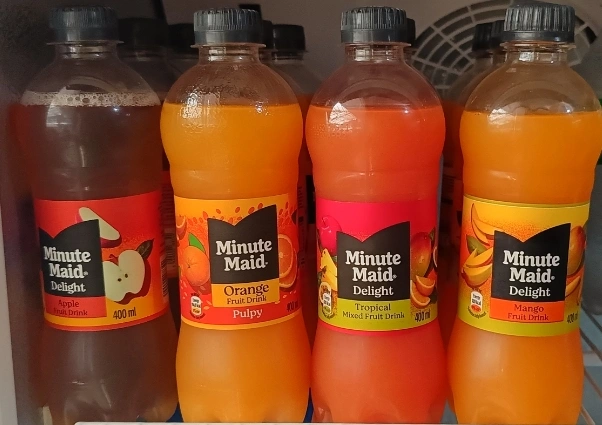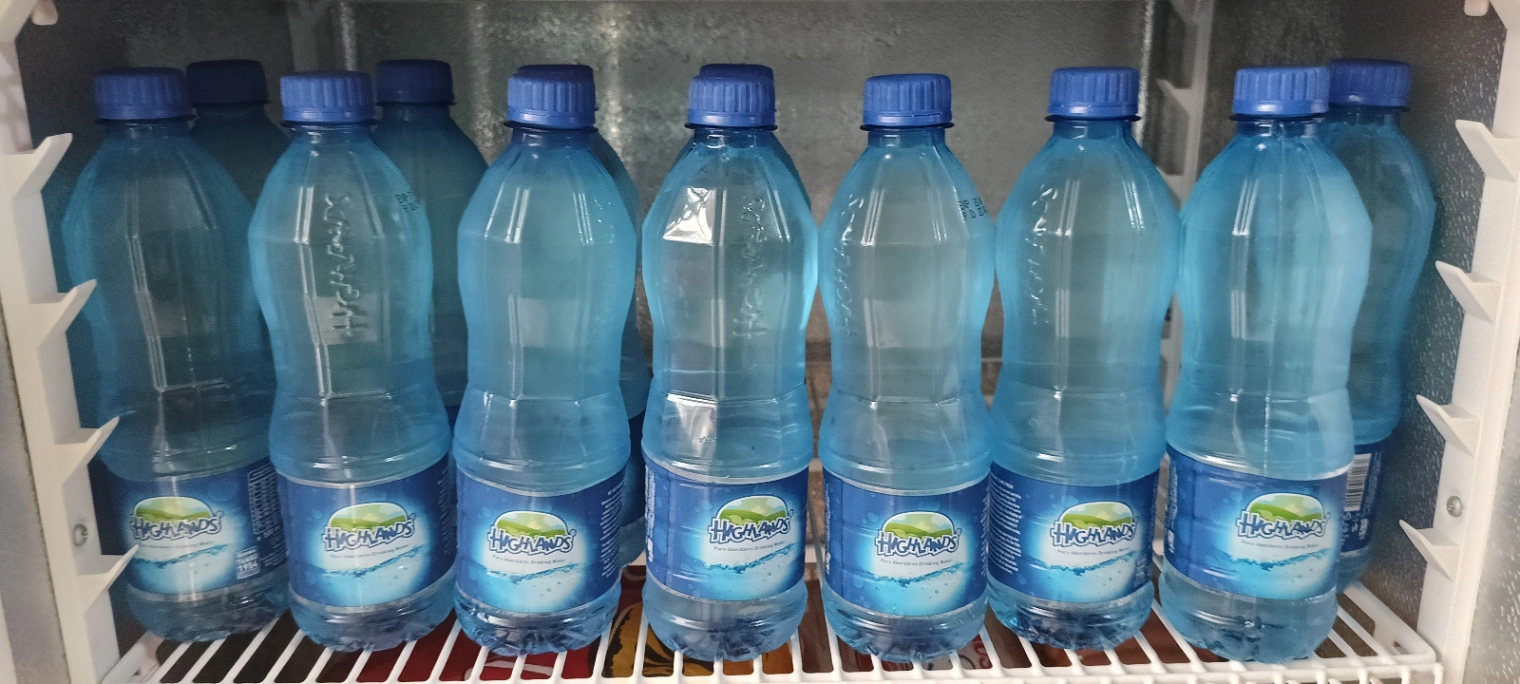
Before discounting or reordering slow-moving goods, check whether the listing is accurate, the item is in saleable condition, and buyers can understand its main use. Review the dates and quantities in your own sales records rather than treating a short quiet period as proof that an item will not sell.
Consider storage space, damage risk, supplier terms, and cash tied up in the product. If a price change or display adjustment is appropriate, record why you made it and check the result over a defined period. Do not confuse a promotion with evidence of future demand.
Reorder only after checking the remaining quantity and current supplier terms. Compare the cost of holding stock with the likely value of another purchase, and avoid using a stale availability count or an assumed trend to justify a large order.