

Decide what kind of restaurant you can run consistently
“Restaurant” can mean a small lunch spot serving workers, a nyama choma place with evening trade, a café, a takeaway kitchen, or a full-service dining room. Each has different rent, equipment, staffing, stock, and customer expectations. Choose a format by observing a particular catchment area: who passes through it, at what time, what they buy now, and how they get food home or back to work.
Do not start with a large menu. Pick a few dishes that share ingredients and can be prepared reliably with the kitchen capacity you can afford. For example, a lunch-led outlet may need speed and predictable portions more than a wide selection of made-to-order meals. A grill-focused business has different ventilation, fuel, preparation, and food-safety needs. Test the concept through conversations or a small permitted pilot before committing to a costly fit-out.
Write down the customer, meal occasion, typical order, service hours, seating or takeaway plan, and reason someone would choose you over nearby alternatives. If you cannot describe the offer in a sentence, customers may not understand it from a sign or menu either.
Cost the kitchen and the months before break-even
A restaurant budget should be built around the premises and menu, not a single online figure. Include rent and deposit, fit-out, water and drainage, electrical work, cooking equipment, refrigeration, utensils, tables, storage, initial ingredients, packaging, cleaning supplies, staff, licences and inspections where applicable, and a working-cash reserve. Ask for quotations and check whether the room can legally and practically support food preparation before signing a lease.

Make a second list of recurring costs: rent, wages, utilities, gas or other fuel, ingredients, delivery or packaging, waste collection, internet or payment fees, repairs, and accounting. Prepare at least a simple weekly cash-flow forecast. A restaurant can show sales on a busy weekend and still struggle if suppliers must be paid before enough weekday revenue comes in.
For each menu item, write the ingredients and quantities used in one portion. Add the cost of those ingredients, packaging if takeaway, and a reasonable allowance for spoilage. Then account for labour and fixed overhead when deciding your selling price. Do not set prices only by looking at a restaurant across town; their rent, serving size, supplier terms, and clientele may be different.
Treat food safety and local approvals as part of setup
Food service is regulated. Before opening, ask the county government what permits, inspections, food-handler documentation, fire or premises checks, and other conditions apply to your exact location and restaurant type. Requirements can vary by county and premises, so a licence checklist copied from another town may be incomplete. Confirm current fees and processes with the responsible office rather than paying an intermediary based on an old social post.
Plan the kitchen workflow before installing equipment. Separate raw and ready-to-eat food handling, make handwashing practical, label and date stored ingredients, and define who checks refrigerator temperatures and cleaning. Train staff on receiving deliveries, preventing cross-contamination, keeping preparation surfaces clean, and dealing with a power interruption. A written opening and closing checklist helps a small team carry out the same basics when the owner is not watching.
Keep supplier invoices, purchase dates, and food wastage notes. These records help you identify a stock problem early and provide a basis for reviewing food costs. The Kenya Revenue Authority says persons engaged in business are required to onboard eTIMS and issue electronic tax invoices; review the current KRA guidance and obtain advice on how the requirements apply to your particular business and transactions.
Test demand before expanding the menu
A short menu makes it easier to identify what sells and what gets discarded. For each dish, record orders, preparation time, ingredient cost, complaints, and leftovers. If a meal is popular but slow to produce, adjust prep or service design rather than adding more dishes. If an item sells only when heavily discounted, check portion size, perceived value, and the customer group before repeating the promotion.
Create one clear menu customers can read on a phone: dish name, portion or serving detail, price, availability, and any important ordering time. If a price changes depending on size, make the options explicit. Tell people whether you offer dine-in, takeaway, collection, or delivery, and specify the areas and hours you can actually serve.
Turn first visits into repeat orders
Start with the immediate catchment: nearby offices, estates, workshops, campuses, or transport routes depending on the concept. Give potential customers a useful reason to try you—a dependable lunch time, a set family meal, or a clearly described weekend special—rather than claiming to be “the best” without evidence. Ask permission to collect feedback and make it easy to report a missing item or delayed order.
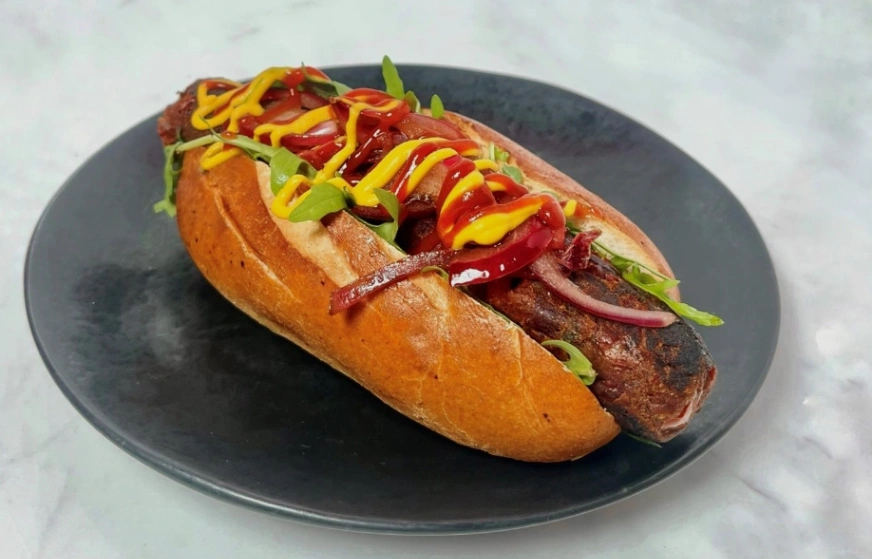
Photograph the food you actually serve, in portions that match the menu. Keep Google Business Profile, social pages, printed menus, and online listings aligned on location, hours, and contact details. For a restaurant, the most useful KobStore page is a current menu customers can open from a social profile or a direct reply. Show dishes actually available, prices, hours, and the way to contact you; remove specials when they end. It is a public information page, not a substitute for county approvals, a delivery operation, or payment handling. Check current plan renewal and optional-feature costs before including the page in your operating budget.
A restaurant becomes more stable when the menu, purchasing, and service routine are built around observed demand. Start with a manageable room and menu, verify local obligations, track the economics of each dish, and expand only when repeat orders and cash records show that the next investment is affordable.
Sources and verification: Kenya Revenue Authority eTIMS guidance; Kenya Business Registration Service; verify food-premises and county permit requirements with the county public-health and licensing offices for the restaurant’s location.





