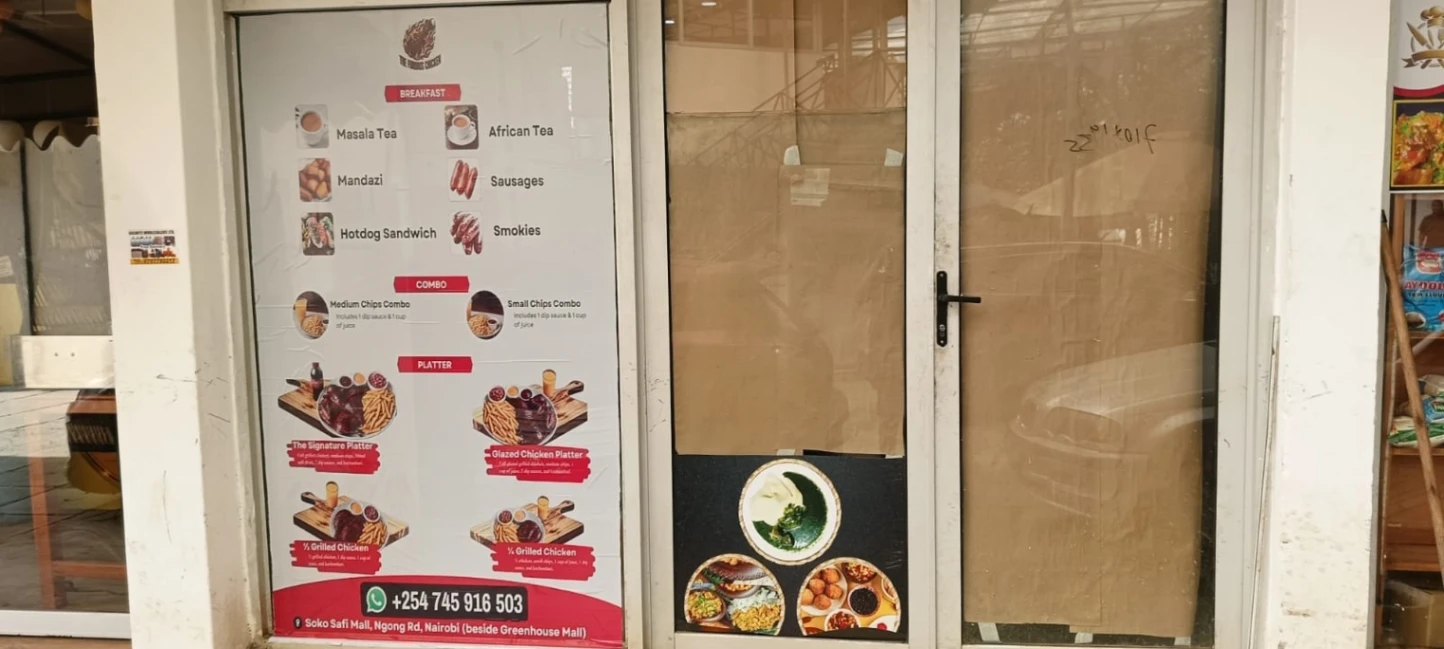
A graphic designer is a good fit when their work solves the communication problem your business actually has. A Nairobi restaurant needing a menu for print and WhatsApp has different requirements from a Nakuru wholesaler commissioning a product catalogue. Before comparing portfolios, decide who the design must reach, what the customer should do, and where the artwork will appear.
Compare relevant examples and production skill
Look for work in a similar format and ask what the designer personally produced. For print, confirm dimensions, bleed, colour settings, paper or sign material, and whether the printer needs a specific template. For digital use, name each placement and file type, such as a square social post, story, web banner, or WhatsApp catalogue. Check that any supplied logo, photo, font, or stock image may legally be used.
Agree the deliverables, number of concepts, revision rounds, turnaround, and who approves the final. Share correct product names, KSh prices, dates, phone numbers, and required disclosures in one brief. Ask what changes count as new scope and whether editable source files or extra formats cost more. Put the fee, deposit, usage rights, and portfolio permission in writing.
Choose for communication as well as style
A designer should ask useful questions, explain limitations, and give a delivery date that includes your review time. Avoid paying in full before there is a clear scope and payment schedule. A designer?s service page can show their process and contact details; a relevant sample and reliable handover matter more than a generic claim of creativity.