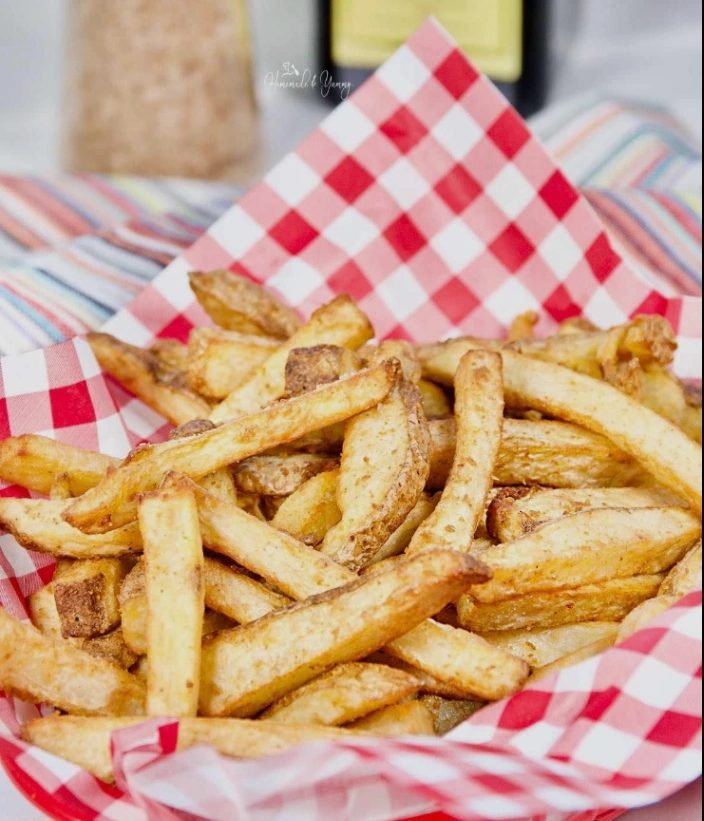
Food products need more than persuasive promotion. Customers want to know what the item is, who prepared or packed it, how much is available, how it should be stored, and whether it can reach them in suitable condition. If you are looking for where to advertise food products online in Kenya, choose a channel that makes those details easy to communicate and lets you keep availability current. A listing can help a buyer discover an offer; it cannot keep food safe, confirm regulatory compliance, or complete a delivery on the seller's behalf.
Social media can show harvests, baked goods, menus, or production stories to an existing audience. WhatsApp can help confirm same-day availability and locations. Classified or marketplace sites can expose products to people outside the seller's immediate followers, depending on category policies and actual audience. A business storefront can give customers a stable page for the business and its current products. These options have different costs and rules, so compare them before choosing rather than assuming one is free or suitable for every food category.
Choose the right channel for the product
Fresh produce, prepared meals, packaged goods, and shelf-stable ingredients have different buying and delivery requirements. A farmer selling a short-lived harvest may need to confirm stock and collection times frequently. A bakery may need order cut-off times and lead times. A packaged-food producer may need consistent details for ingredients, pack size, storage, and expiry. Decide what a customer must know before making a useful enquiry, then choose a channel that lets you publish those facts.
Ask a marketplace or directory whether it allows the type of food you sell and what documentation it requires. Review fees, listing duration, payment arrangements, delivery responsibilities, and complaint processes. A platform hosting a product page does not necessarily inspect food, confirm a seller's licence, maintain temperature control, or guarantee that the buyer receives the item as described. Get the actual terms in writing or from current official help pages.
Social platforms are useful for timely announcements, but old posts can mislead customers when a batch sells out. Maintain one current catalogue or public business page and update it when supply, prices, locations, and delivery times change. KobStore provides a public business page with product listings that a seller can share; eligible public listings may appear in KobStore Browse. It does not manage food handling, regulatory checks, payment, or delivery and cannot promise demand or search-engine visibility.
Describe a food offer responsibly
Use the product's ordinary name and specify whether it is fresh, cooked, dried, chilled, frozen, or packaged. Give the pack size, quantity, unit, grade, variety, or ingredients that materially affect a buyer's decision. Explain whether a price is per item, kilogram, tray, box, or order. If substitutions may occur, get agreement before delivering a different variety or size. Do not use a generic image that suggests a larger quantity than the customer will receive.
For prepared or packaged food, present ingredient, allergen, storage, and date information accurately and in accordance with applicable rules. A seller should not make unsupported health, nutrition, origin, organic, or therapeutic claims. Use photos of the actual product and packaging. If there are changes between batches, say so where they affect ingredients, portion size, taste, or appearance. Keep any required batch, production, and traceability records within the business's appropriate systems.
Freshness and delivery are central to the offer. Say when an item is harvested, prepared, or packed if that information is relevant and accurate. Explain storage conditions the buyer needs to maintain and whether chilled or frozen delivery is actually available. State the areas served, order deadline, delivery window, minimum quantity, and collection options. If supply depends on harvest or market availability, distinguish an estimate from confirmed stock.
Never imply that an online listing is a licence or food-safety certification. Requirements vary by product and business activity. Check current national and county rules and any applicable standards directly with the responsible Kenyan authority before selling. This article is general marketing guidance, not a substitute for those requirements. If you cannot substantiate a claim or confirm a product's compliance, do not publish the claim until you have verified it.
Make ordering and availability explicit
A useful enquiry process tells customers what details to send: product, quantity, preferred date, and delivery area. Ask only for information needed to assess the order. Confirm the final price, substitutions, delivery charge, delivery time, and payment arrangement directly before accepting an order. An enquiry or message should not be treated as a completed purchase, and a posted stock figure should not be treated as a reservation.
Decide who updates the listing as stock changes. Remove sold-out items or mark them unavailable quickly. If your offer is seasonal, add a date or a clear note that availability must be confirmed. Keep prices aligned across your storefront, social channels, and messages. If the business uses pre-orders, explain the cut-off, expected fulfilment date, cancellation terms, and what happens if the supply does not arrive.
For repeat orders, make it easy for customers to find the current offer without scrolling through old posts. A page link can provide context; a short message can point to the exact product or ask for a relevant order detail. Do not send unsolicited promotions to people who have not agreed to receive them. Respect privacy, permissions, and each channel's messaging rules.
Measure the channel and improve the operation
Run a limited four-week test rather than investing in every available channel. Track enquiries by product and source, qualified orders, fulfilment success, spoilage or cancellations, delivery expense, staff time, and paid listing or campaign charges. A channel that attracts more orders than you can safely prepare is not automatically a success. Capacity, safe handling, and reliable delivery are part of the marketing promise.
If people ask the same questions, improve the product description. If orders come from areas you cannot serve, make location limits more visible. If there is demand but inconsistent fulfilment, fix the operational constraint before buying more promotion. A business can use customer feedback to refine its offer, but one successful week does not guarantee future demand.

To assess a public page for food products, see KobStore's current registration and pricing terms. Foundation has no sign-up fee, supports up to 10 products or services, and listings remain live for 30 days; renewal and optional promotion may have separate charges. Confirm the latest terms. A platform can organize product information and provide a shareable destination, while the seller remains accountable for lawful products, truthful details, safe handling, and every fulfilment commitment.